
Fermgut
Fermented foods and gut health
Introduction
FERMGUT brings together a consortium of leading scientists from five research institutes across three countries, with the overarching goal of developing innovative plant-based and dairy-based fermented foods that support gut health and, consequently, overall well-being.
Over the course of the three-year project, FERMGUT will identify and develop novel fermented food products with proven health-promoting properties. By the final stages of the project, a selection of the most promising products will be shortlisted and positioned for potential market introduction.
A key focus of FERMGUT is the development of plant-based fermented foods, reflecting the growing demand for plant-based products across Europe and worldwide. By addressing this rapidly expanding market, the project aims to deliver innovative solutions that align with consumer needs and preferences. The resulting products are intended for initial launch in European markets, with subsequent expansion to international markets.



Plant-based, fermented, gut health, microbiome modulation, anti-inflammatory, health
2026-2029
TRL: 3
Background
There is a growing awareness amongst Western consumers in relation to the personal, societal and planetary benefits of re-balancing their diet by reducing the animal part in favour of plant-based alternatives, entirely or partially, to enlarge the food offer. This is aligned with changes in lifestyle, and greater consideration of animal welfare, minimal processing and sustainability. This is also related to a desire for a healthy diet by decreasing risk of issues relating to lactose intolerance, of allergy to animal proteins such as milk, egg and shellfishes or mitigating irritable bowel syndrome, inflammatory bowel diseases and other civilization-related concerns/non-communicable diseases including diabetes, metabolic syndrome and cardiovascular diseases. In FERMGUT, we will use innovative approaches to address the aforementioned issues with a particular emphasis on developing novel plant-based fermented foods. This will also address Sustainability challenges as it will encourage increased consumption of plant-based foods in lieu of animal based foods.
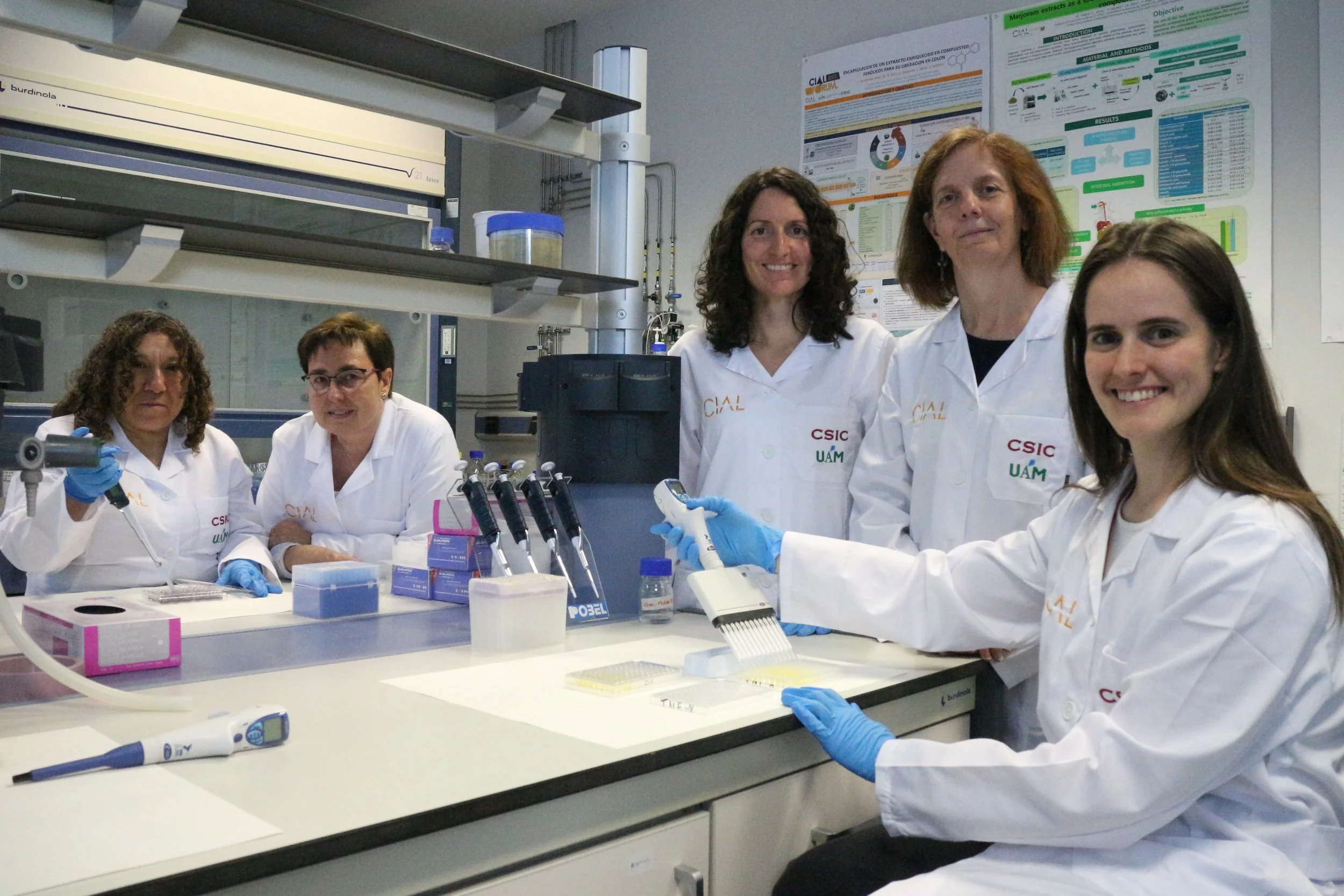
Image: Dr Elena Arranz with her lab group.

Image: Prof. Paul Cotter standing outside Teagasc Food Research Centre.
What we do
Researchers in Teagasc in Ireland will develop novel plant-based fermented foods based on substrates such as plant-based milk alternatives.
Simultaneously, researchers in INRAE-STLO in France will develop novel plant-based fermented foods based on substrates like nuts, seeds and legumes.
These novel fermented foods from both countries will be tested in a variety of experiments including testing their effects on improving the population of ‘good’ bacteria in the gastrointestinal tract and decreasing the population of ‘bad’ bacteria in the gut.
The most promising novel fermented foods will be tested in mouse model studies to validate the results found in lab-based studies and these will be conducted in IBD-Biotech.
The most promising novel fermented foods will be tested for their effects on gut barrier integrity, improvement of a leaky gut, anti-inflammatory effects and such in UAM in Spain.
The effects of the fermented foods on increasing beneficial compounds produced in the gut after consumption will be assessed in UCC in Ireland.
Expected impact on food system transformation
FERMGUT will drive meaningful changes in consumer behaviour, stakeholder collaboration and industry practices. In the medium to long term (next 5–8 years), we expect increased adoption of novel plant-based fermented foods by the general public. Indeed, any novel fermented foods which demonstrate promising effects on gut health through the experiments and trials in FERMGUT will be developed further with a view to bringing these fermented foods to market and to reach consumers in the general public, which will be the most important stakeholders involved. Other stakeholders will involve nutrition and health professionals, industry partners, other researchers, legislators, regulators and policymakers, across Europe and worldwide in order to facilitate the development of these novel fermented foods with gut health benefits, and bringing them to market.
Implementation and plans to reach target groups
Fermented foods identified in FERMGUT as having promising gut health benefits will be shortlisted for further development, with the long-term goal of bringing these products to market. In the later stages of the project, industry partners will support scale-up activities and help assess commercial feasibility, while additional funding opportunities may be pursued to facilitate further development. FERMGUT will also lay the foundation for consumer sensory studies and future randomised controlled trials to validate both product acceptance and health benefits. Throughout and beyond the project, all partners will actively contribute to communication and dissemination activities, ensuring that the project's outcomes reach scientific, industrial, and public audiences. Further product development is expected to be supported through a combination of industry investment and European funding programmes.
Image 3: Dr Susan Joyce with her lab group at a conference
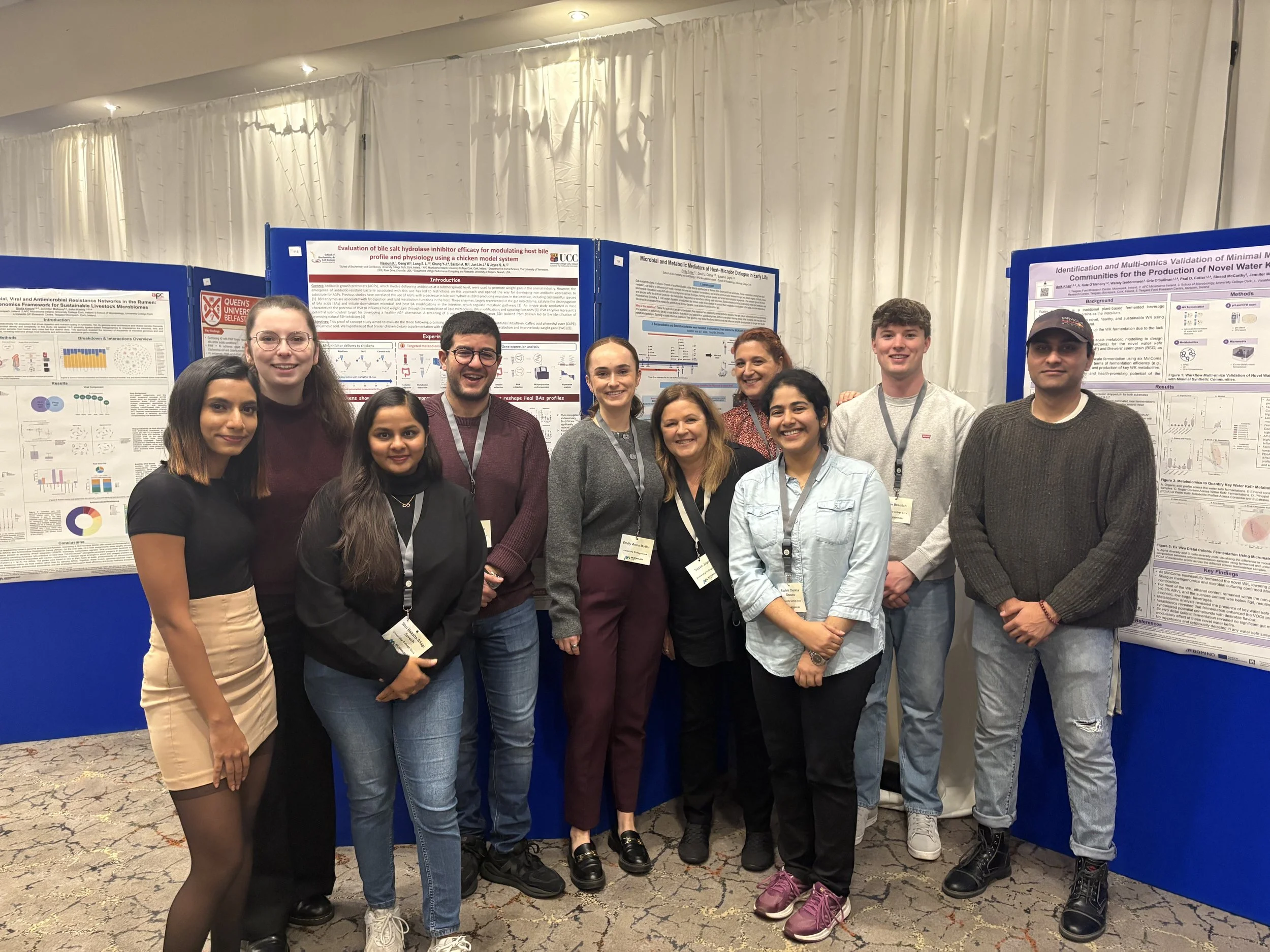
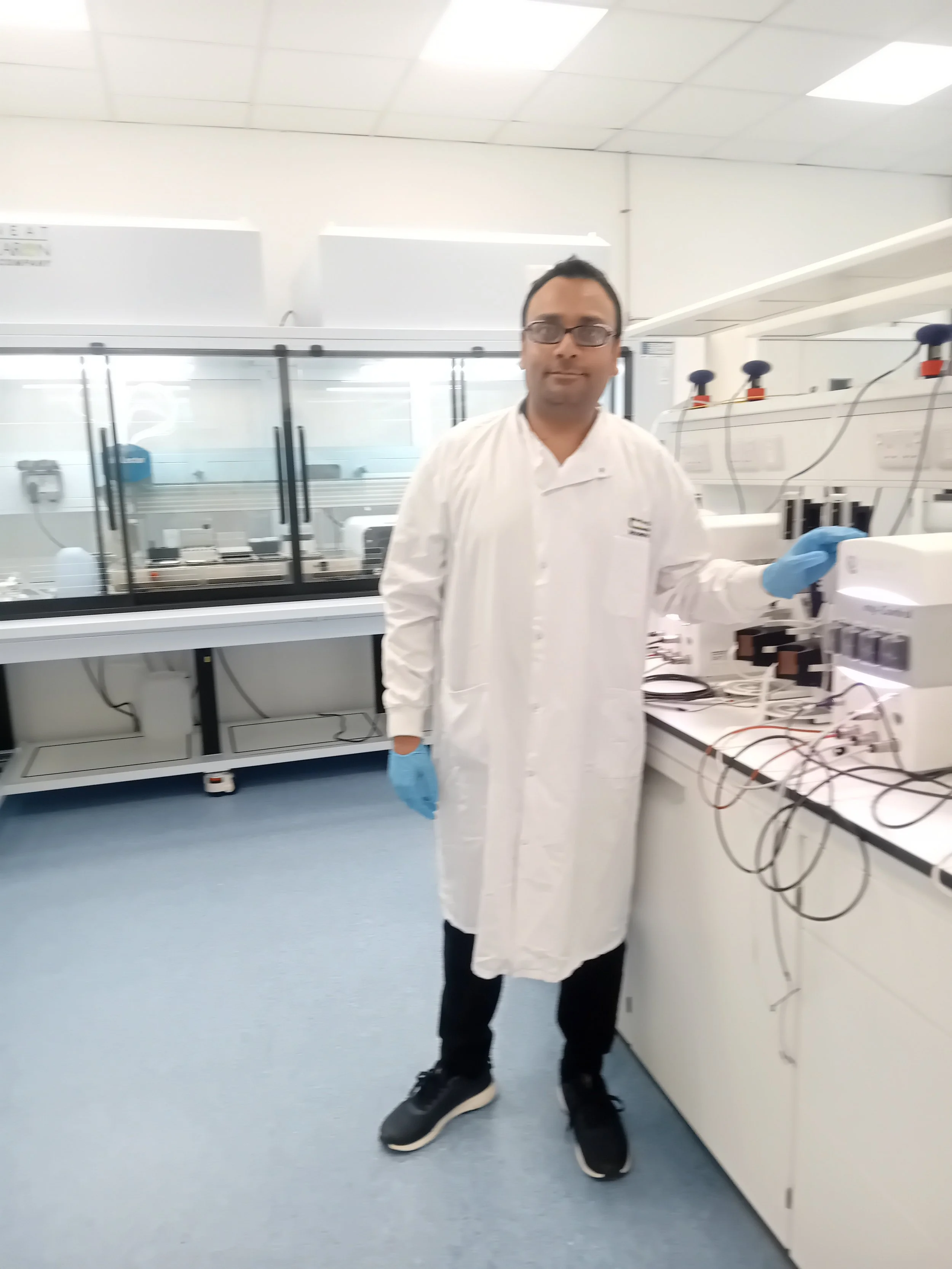
Image: Dr Harsh Mathur working with fermenters in Teagasc Food Research Centre
Partners of the project
-
Dr Harsh Mathur, Teagasc Food Research Centre. Ireland.
Email: harsh.mathur@teagasc.ie
-
Dr Susan Joyce, University College Cork, Ireland.
Prof. Paul Cotter, Teagasc Food Research Centre, Ireland.
Dr Gwenael Jan, INRAE-STLO, France.
Dr Valerie Gagnaire, INRAE-STLO, France.
Dr Christel Rousseaux, IBD-Biotech, France.
Dr Elena Arranz, Universidad Autonoma de Madrid
-
DAFM, Teagasc Food Research Centre, Ireland.
DAFM, University College Cork, Ireland.
ANR, INRAE-STLO, France.
Ministerio de Ciencia, Innovación y Universidades
Agencia Estatal de Investigación, Universidad Autonoma de Madrid, Spain.