
BIOPOM
Biotechnological upcycling of fruit pomace into prebiotic food ingredients
Introduction
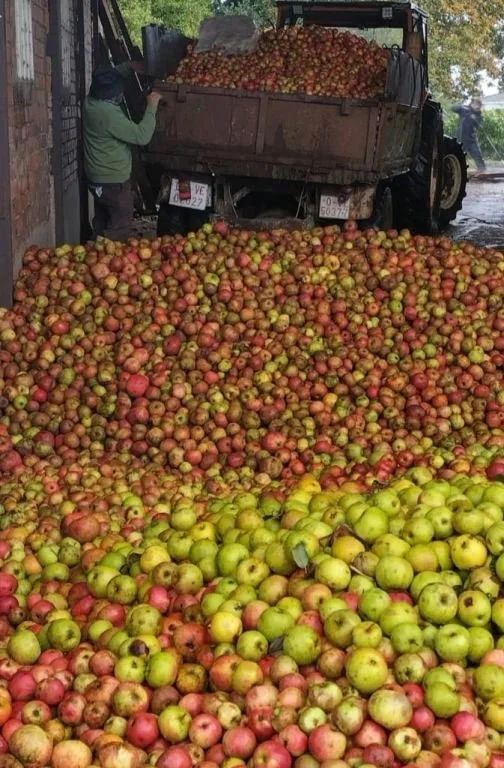
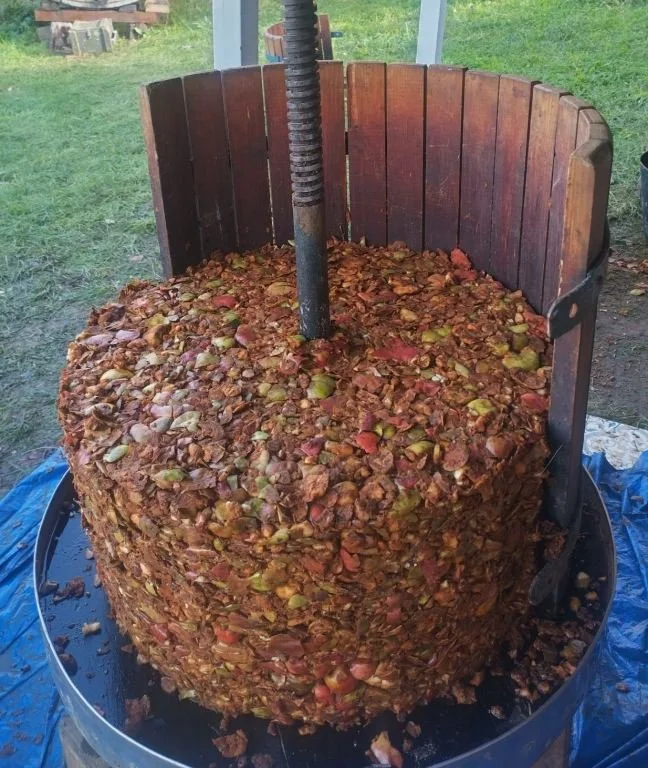
The aim of BIOPOM is to turn apple waste into safe, healthy, and valuable food ingredients. Every year, millions of tons of apple pomace (the leftover material from juice and cider production) are discarded in Europe. This waste contains useful nutrients and compounds that could benefit human health, especially gut health. However, it spoils quickly, may contain harmful or bitter substances, and is difficult to use in food products due to its water retention capacity. As a result, most of it is not reused. Addressing this problem can reduce food waste, create new sustainable ingredients, and support healthier diets.
The project focuses on major apple-producing regions in Europe, such as Spain, Germany and Denmark, where apple pomace is generated in large quantities and where sustainable solutions can have the greatest environmental and economic impact.



Polysaccharide biochemistry, soft matter physics, metabolomics, gut microbiome, food biotechnology, food safety, risk assessment, life cycle assessment, pre-industrial scale-up, consumer acceptance.
2026-2029
Level 3-7
Background
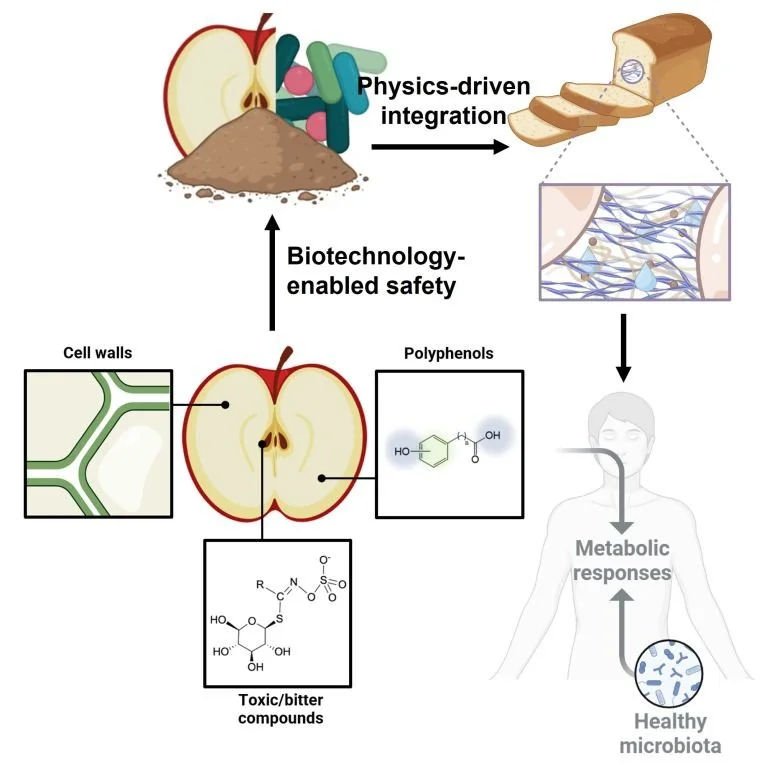
IApple pomace (AP), a by-product of apple juice and cider production, makes up ~20% of apple wet mass and represents 4 Mt/y of waste in Europe. Despite containing dietary complex polysaccharides and polyphenols, AP is an underutilized resource with significant potential for high-value health-promoting ingredients. Nevertheless, AP is susceptible to rapid microbial spoilage and might present concerning concentrations of toxic cyanogenic glycosides as well as bitter or astringent compounds, jeopardizing any redistribution strategy back in the food supply chain. Moreover, the colloidal properties of AP particles are suboptimal for their integration into food matrices and efforts to reduce AP waste through redistribution may be limited by regulations, including those on maximum hazard concentrations, prohibited substances, and novel foods. BIOPOM aims to overcome these challenges through an interdisciplinary approach combining precision fermentation, metabolomics, and colloidal science.
What we do
Screening of apple varieties different origin and seasonality that yield high amounts of apple must and pomace and exhibit broad polyphenol and polysacharide profiles and contain the lowest levels of cyanogenic glycosides.
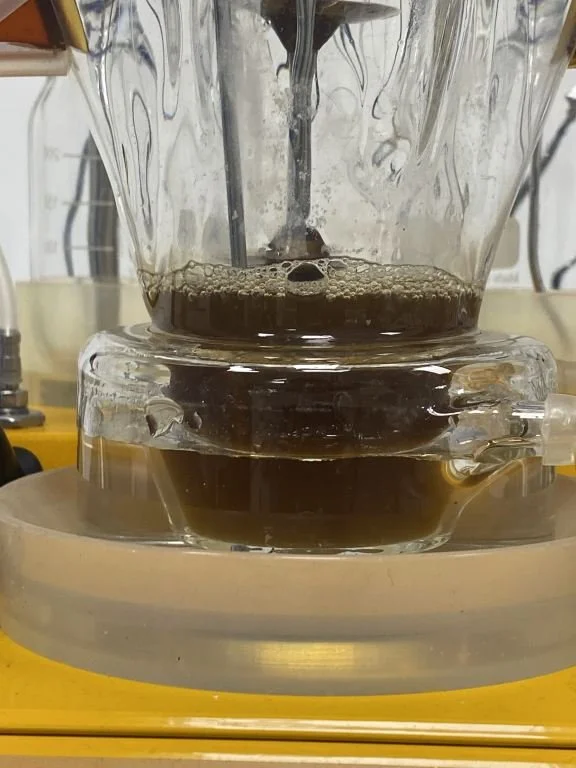
Neutralizing or modifying antinutritional and bitter compounds, such as cyanogenic glycosides and tannins, found in AP, while enabling controlled and efficient fermentation to gain a biopreservation effect utilizing specific microbial activities.
Integrate AP with the components that build up the structure of semisolid foods, namely starch and proteins, to successfully integrate AP without compromising sensory or physical quality.
Evaluate and optimize the bioactive and prebiotic potential of AP ingredients nad derived food prototypes using advance in vitro digestion and fermentation models.
Investigate the chemical profile of AP and validate its safety and sustainability across the entire life cycle, ensuring compliance with current EU guidelines and designing out toxicity or life cycle inefficiencies whenever necessary.
Expected impact on food system transformation
BIOPOM’s contribution reflects the requirement to take environmental, economic, and social dimensions of sustainability into account:
• Changing the way we process and supply food (Environmental dimension of Sustainability): BIOPOM tackles the issue of waste by upcycling apple pomace (AP), into high-value prebiotic ingredients for staple foods. This reduces landfill use and contributes to mitigating emissions.
• Changing the way we monetize fruit and vegetable waste (Economic dimension of Sustainability) by enabling the monetization of AP. This supports local economic growth, particularly for cider and juice producers. It also contributes socially and economically by creating jobs.
• Changing the way we eat (Social dimension of Sustainability): The integration of upcycled AP into staple food matrices will promote dietary fibre intake and gut health.
Implementation and plans to reach target groups
Food industry stakeholders will be offered new healthy practices by incorporating prebiotic ingredients derived from AP into new food products. Webinars, technical factsheets, B2B workshops and pilot testing sessions will be performed. BIOPOM industry partners will adopt the protocols developed in BIOPOM to incorporate AP ingredients into semisolid food products at pre-industrial scale.
Stronger collaboration between researchers, industry partners, and regulatory authorities will be initiated. Policy briefs, regulatory workshops, roundtables direct meetings, EFSA experts’ consultation contributions will be considered.
Health-promoting properties and environmental sustainability of bioprocessed AP will be disseminated through social media campaigns, websites, infographics, videos, online articles and events with tasting booths.
BIOPOM advances scientific understanding and methodologies in food waste valorisation, with results disseminated in peer-reviewed open-access publications and conference presentations.
Partners of the project
-
-
Clarissa Schawb, Aarhus University, Denmark
Lillian Barros, Instituto Politecnico de Bragança, Portugal
Magdalena Svastrom, Chalmers Tekniska Hoegskola AB, Sweden
Cristina Franco, La Tahona de Sahagun S.L., Spain
Angel Gustavo Costales Palacio, Sidra Frutos S.L., Spain
-
European Union’s Horizon Europe
Agencia Estatal de Investigación (AEI) – Spain Centro para el Desarrollo Tecnológico y la Innovación (CDTI) - Spain
Innovation Fund Denmark (IFD) - Denmark
Foundation for Science and Technology – Portugal
Swedish Research Council for Sustainable Development (Formas) – Sweden