

Regiofoods
From regional relevance to transnational value: how regional food systems can boost resilience and self-sufficiency in Nordic and Baltic countries
Introduction
RegioFoodS aims to map, analyse, and strengthen the long-term resilience of regional food systems across the Nordic and Baltic countries. The project responds to recent disruptions, including the COVID-19 pandemic, geopolitical instability, armed conflicts, and extreme weather events, which have exposed vulnerabilities in food systems and highlighted the need for greater resilience. It also addresses the current lack of comparable national and transnational data on food system resilience.
The project focuses on seven regions across the Nordic-Baltic area: South Ostrobothnia (Finland), Skåne (Sweden), Trøndelag (Norway), Region Zealand (Denmark), the Capital Region (Iceland), Harju County (Estonia) and Kaunas County (Lithuania).



Long- term food systems resilience, Regional food systems, Nordic and Baltic collaboration, Observatory on Food Systems resilience
2026-2029
Background
Food systems evolve within complex spatial environments where actors, production methods, and cultural practices interact to create foodscapes. Although this complexity is widely acknowledged, most studies focus on isolated scales or components, often overlooking vulnerabilities and the interdependencies that create systemic lock-ins. Recent shocks have proved to disrupt food systems, especially when simultaneously combined with factors such as financial, economic or trade crises and unsustainable practices in food supply chains.

Photo 1. RegioFoodS discussion session at EUSBSR Annual Forum in Tallinn (13.5.2026).
What we do
define and compare the main components of seven regional food systems (RFS) in the Nordic–Baltic region and assess their vulnerabilities;
map RFS stakeholders, establish seven Regional Task Forces, and trace the flow of three selected foods from production to disposal in each region
evaluate long-term resilience and identify leverage points for action
develop scenarios to 2050 and create seven cross-sectoral regional strategic plans based on the project’s data
launch a Transnational Nordic–Baltic Observatory on Food
Expected impact on food system transformation
An integrated conception of food systems resilience that promotes just and sustainable food governance:
The project will achieve multiple results by promoting systemic shifts in regional and, with a cascade effect, national and transnational food systems. The most relevant impact will be on food systems governance based on cross-sectoral and multi-country collaboration that applies justice principles to build procedural and structural long-term resilience and contributes to enhancing self-sufficiency. Remembering that beyond those tangible elements, a large part of food systems’ resilience is built on less material – and difficult to measure – elements such as risk aversion or self-efficacy.
Implementation and plans to reach target groups
Regional stakeholders mapping is one of the first project activities conducted in each of the studied regions. Selected stakeholders will be interviewed and as a next step, 7 Regional Multi-Stakeholder Task Forces will be established with regular online meetings and aim to co-create a Nordic and Baltic Regional Food System Toolkit. Finally, a Transnational Nordic–Baltic Observatory on Food System Resilience, supported by the Task Forces will be launched.
Further engagement includes active participation in transnational relevant events – EUSBSR Annual Forum, Nordic and Baltic Democratic Festivals, ERIAFF conferences and others.
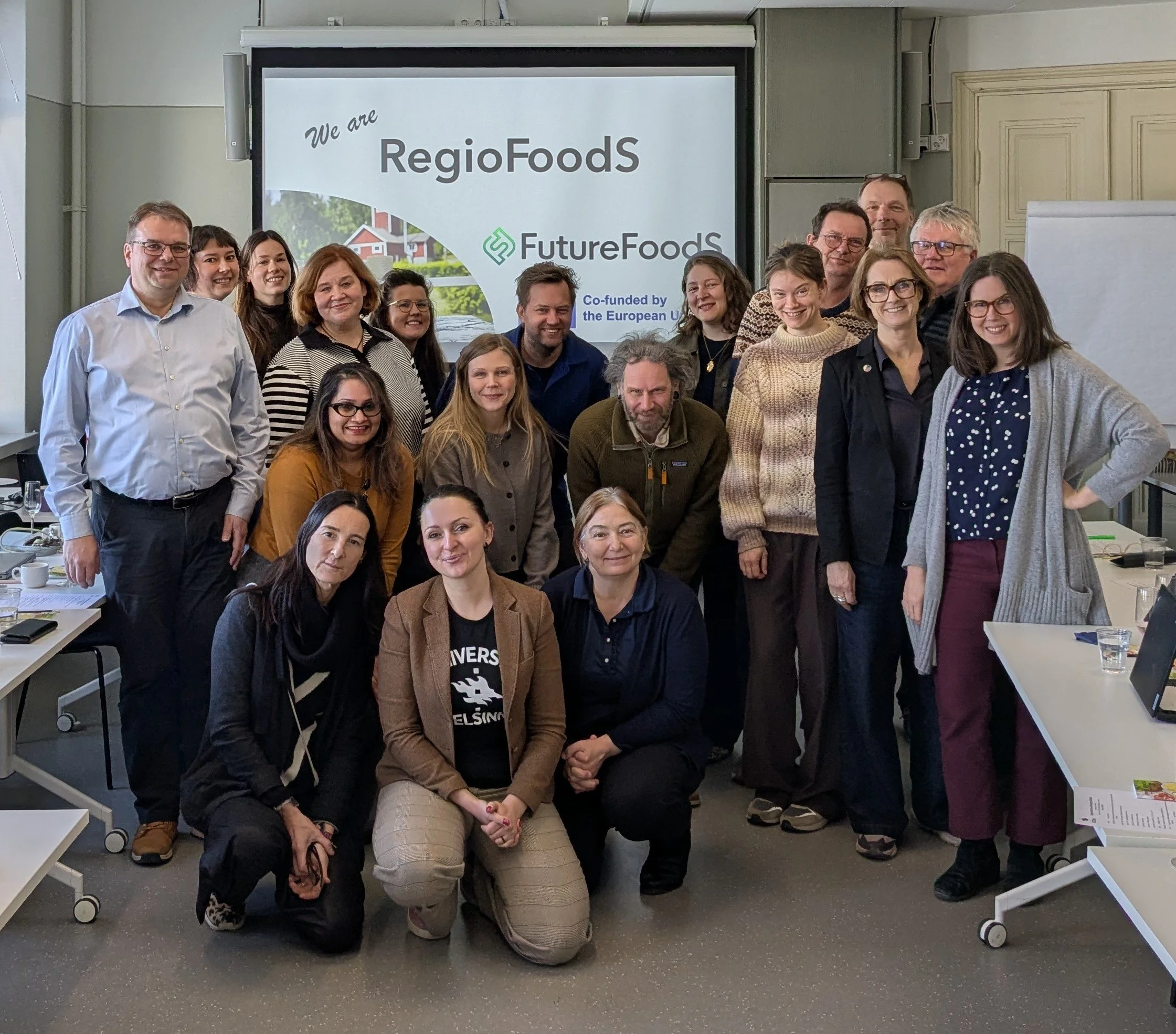
Photo 2. RegioFoodS consortium taken at the Kick-off meeting in Helsinki in February 2026.
Partners of the project
-
Silvia Gaiani, University of Helsinki Ruralia Institute, Finland, silvia.gaiani@helsinki.f
Communication:
Urszula Ala-Karvia, University of Helsinki Ruralia Institute, Finland
-
Roskilde University - Denmark
Kost Studio - Denmark
Lund University - Sweden
University of Iceland - Iceland
Ruralis - Institute for Rural and Regional Research - Norway
Natural Resources Institute Finland (Luke) - Finland
Estonian Business School - Estonia
Vytautas Magnus University (VMU) - Lithuania
Lithuanian Research Centre for Agriculture and Forestry - Lithuania
Swedish University of Agricultural Sciences - Sweden
SFIN (Livsmedelsakademin) – Sweden
Associated Partners:
Nordic Joint Committee for Agricultural and Food Research (NKJ) - Sweden
Region Skåne – Sweden
Sustainable Gastro (Turn Sustainable) - Lithuania
-
Finnish Ministry of Agriculture and Forestry
Innovation Fund Denmark
VINNOVA
Icelandic Centre for Research (Rannis)
Research Council of Norway
ETAG
Research Council of Lithuania
European Union’s Horizon Europe research and innovation programme via FutureFoodS
European Partnership for a Sustainable Future of Food Systems
-