
SeaPlate
From Sea to the Plate: European Brown Macroalgae as Innovative Additions to a Healthy and Sustainable Diet
Introduction
The SeaPlate project aims to provide high-quality, safe, and scientifically substantiated health-promoting algal extracts obtained through innovative extraction methods as a basis for healthier and more sustainable European diets.
With an ageing population and growing healthcare challenges, many linked to unhealthy diets, Europe urgently needs innovative and sustainable solutions. Macroalgae (seaweed), particularly brown macroalgae, represent a highly promising resource: they are abundant along Europe’s coasts, and emerging evidence indicates that these versatile, yet largely underutilized macroalgae contain a wealth of unique health-promoting nutrients. In addition, macroalgae are an affordable and eco-friendly food source, requiring minimal land, water, and fertilizers for cultivation. The SeaPlate project aims to develop safe, food-grade, and sustainable macroalgae extracts and generate robust scientific evidence for their beneficial effects on cardiovascular, metabolic, neurological, and cognitive health. This project will assess consumer perceptions and acceptance, develop strategies for regulatory approval and resilient supply chains, and evaluate marketing opportunities.



Biosciences and Aquaculture, Health Research, Nutrition, Cardiology, Neurodegeneration, Obesity, Biochemistry, Agricultural Food and Environmental Science, Marine Science, Organic Chemistry, Retail, Regulatory clearance
2026-2029
TRL: 3
Background
We previously demonstrated in preclinical models that brown macroalgae can ameliorate symptoms and risk factors for cardiovascular, metabolic, and neurodegenerative diseases.
However, incorporation of large amounts of brown macroalgae into human diets is currently constrained by the relatively high amounts of potentially harmful constituents such as heavy metals and iodine. To investigate whether these brown macroalgae have similar effects in humans, there is a need to develop safe, standardized, and food-grade extracts. In addition, limited consumer familiarity and regulatory uncertainty currently hinder the large-scale implementation of seaweed-based food products in Europe.
SeaPlate therefore combines biomedical, technological, and consumer-oriented research to support the development of scientifically validated seaweed-based food ingredients for future European diets.
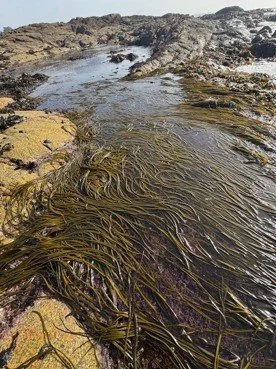
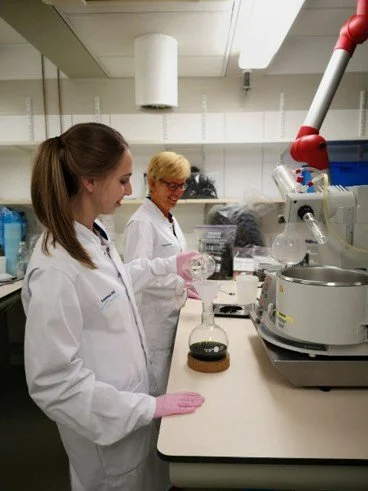
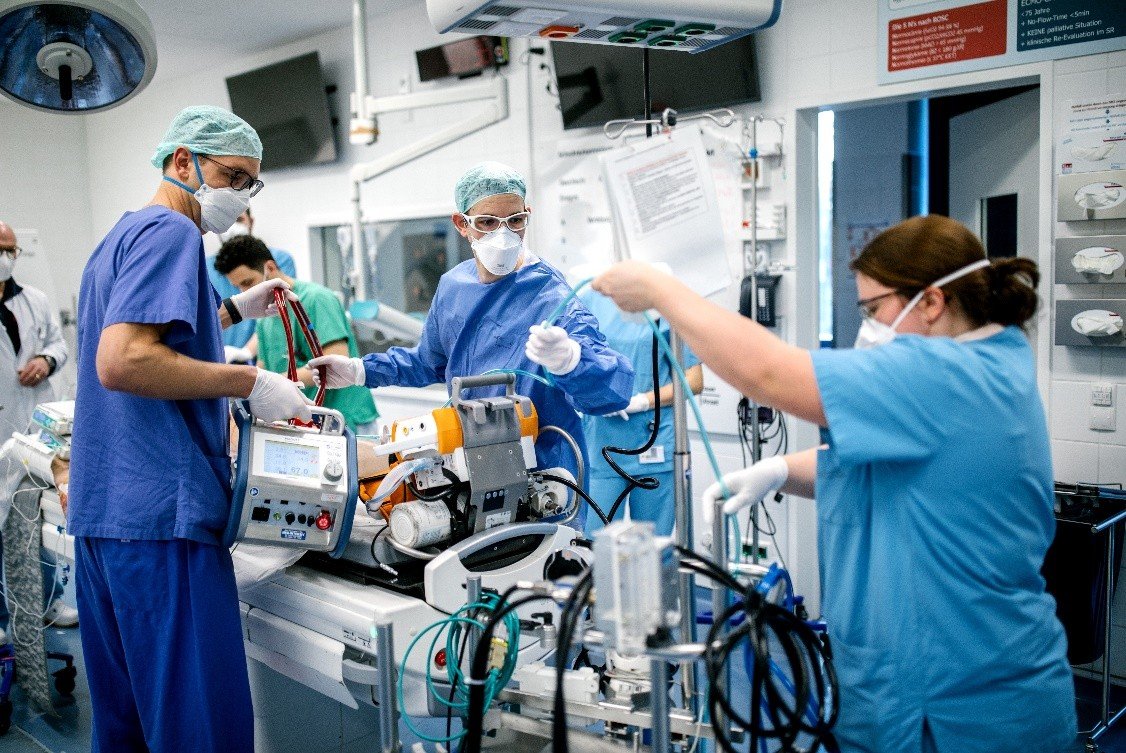
Photo: Himanthalia elongata at the west coast of Ireland
Photo: Julian Jehle in the emergency room
Photo: Extracting algae by Nikita Martens and Gardi Voortmjan
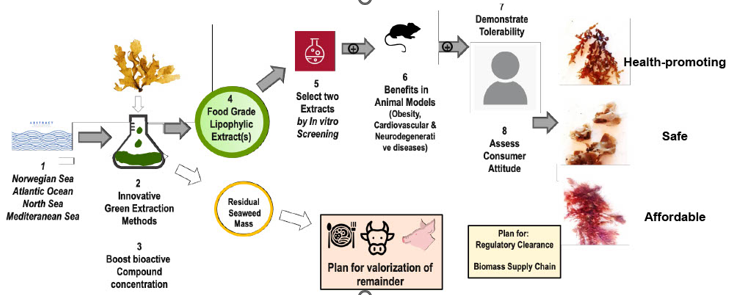
Figure: Science-driven, sustainable, and cost-effective solution towards European algae-derived food components into diets to promote healthy aging.
What we do
Multiple European macroalgae species will be screened and characterized for their therapeutic potential in preclinical models of cardiovascular, metabolic, and neurodegenerative diseases.
Safe, sustainable and food-grade extracts will be developed from the macroalgae species with the most favourable effects.
The food-grade extract(s) will be tested for their therapeutic potential in preclinical models of cardiovascular, metabolic, and neurodegenerative diseases.
The safety, tolerability, and effects on relevant health biomarkers of the most promising food-grade extract will be assessed in human volunteers.
Pre-processing techniques will be evaluated to enhance concentrations of health-promoting bioactive compounds.
Consumer perceptions, preferences, and willingness to consume macroalgal products will be assessed through culinary workshops and survey-based approaches.
Marketing opportunities for seaweed-based food products will be evaluated.
Strategies for regulatory approval and resilient biomass supply chains will be developed to support future implementation and scale-up.
Expected impact on food system transformation
Our ambition is to improve diets across Europe by promoting the consumption of edible macroalgae and developing innovative seaweed-based food products. Through scientific validation, increased public awareness, and the creation of health-promoting food-grade algal extracts, the project aims to unlock the full potential of European macroalgae as a sustainable food source.
A key objective is to establish a robust value chain that makes macroalgae-based ingredients safe, affordable, and accessible to consumers across all socioeconomic groups. Raising awareness of the nutritional and environmental benefits of macroalgae can encourage healthier and more sustainable dietary choices. In the longer term, integrating macroalgae into European dietary guidelines could contribute to improved public health, lower healthcare costs, and greater environmental sustainability.
Macroalgae are a highly sustainable source of food and bioactive compounds, with a low environmental footprint thanks to responsible harvesting and cultivation in European waters. This supports the objectives of the European Green Deal and its ambition to achieve climate neutrality by 2050. By applying green extraction technologies, the project will maximise resource efficiency through the recovery of valuable compounds and the valorisation of residual biomass. In doing so, it will strengthen the competitiveness of the European algae sector and drive innovation in biomass preservation, processing, and supply chains.
Celebration project approval. From left to right: Monique Mulder, Kirsten Berk, Pinar Coşkun
Implementation and plans to reach target groups
We will focus on increasing acceptance of seaweed-based foods through evidence-based consumer engagement. While seaweed consumption is common in East Asian countries, its acceptance in Western countries, including Europe, is limited due to unfamiliarity. Despite their sustainability and nutritional potential, the integration of seaweed-based food products into Western diets remains limited, although the interest in seaweed-based products is increasing. To assess the sociocultural and psychological determinants of seaweed acceptance, the project will implement a mixed-methods approach combining pre- and post-intervention surveys with participatory culinary workshops in the Netherlands, coordinated by the Erasmus Food Lab. Efforts to educate consumers and develop appealing products could help overcome barriers and enhance acceptance and integration of seaweed into European diets.
Through consumer engagement activities and the development of attractive and evidence-based seaweed-derived food products, SeaPlate aims to enhance consumer acceptance and facilitate the integration of seaweed into European diets.
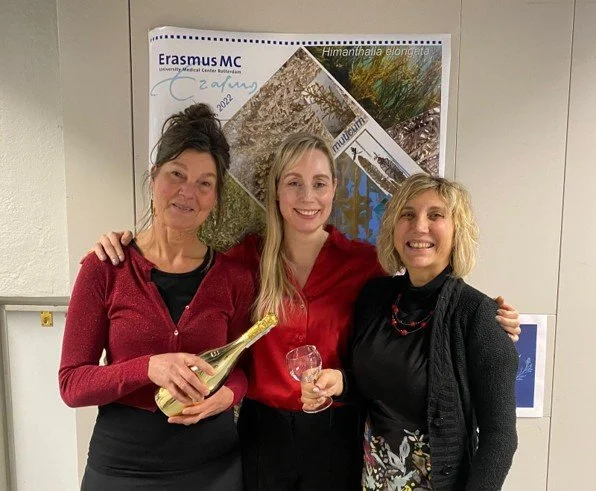
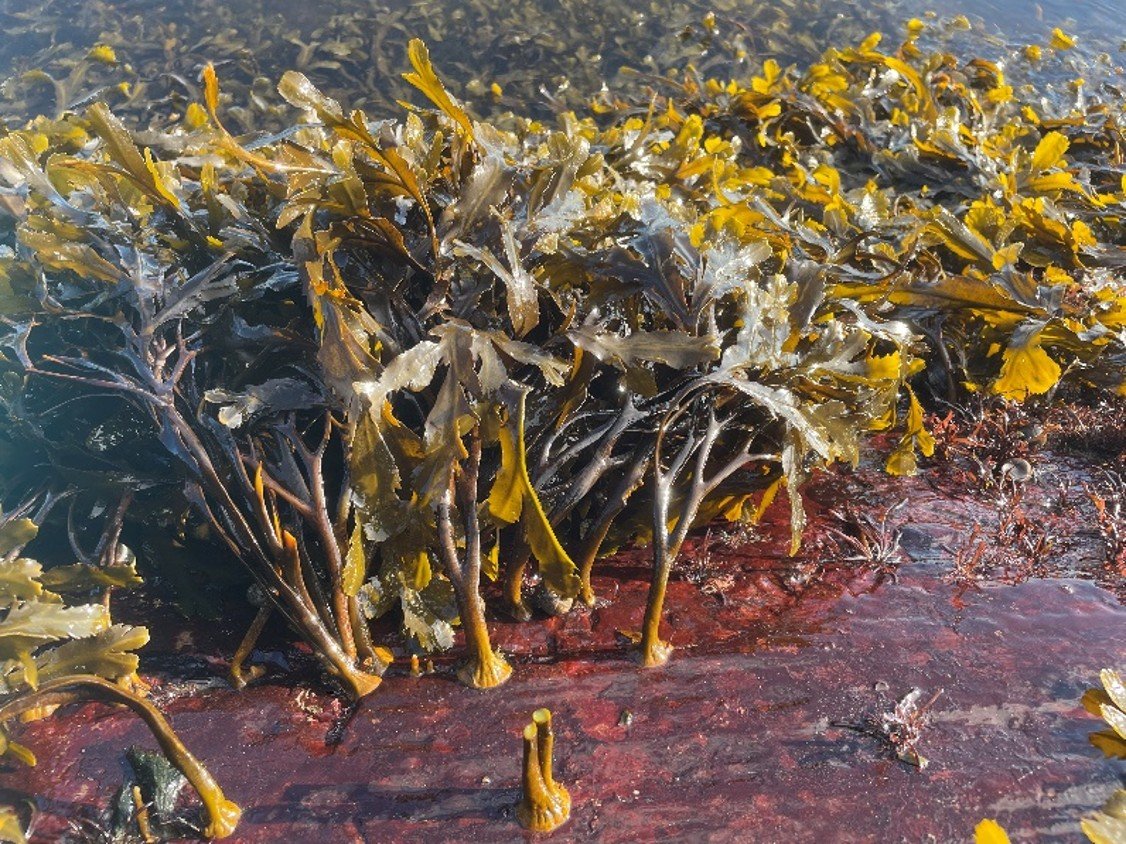
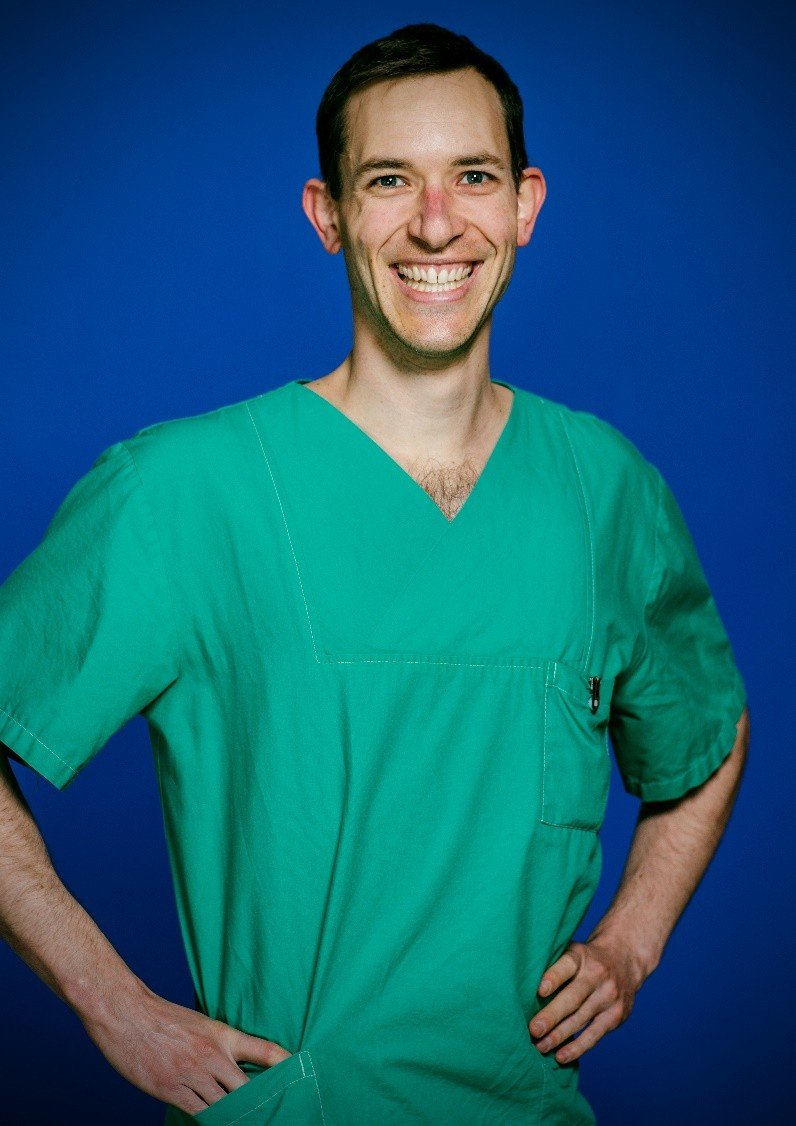
Photo: Julian Jehle
Photo: Stefan Kraan collecting macroalgae
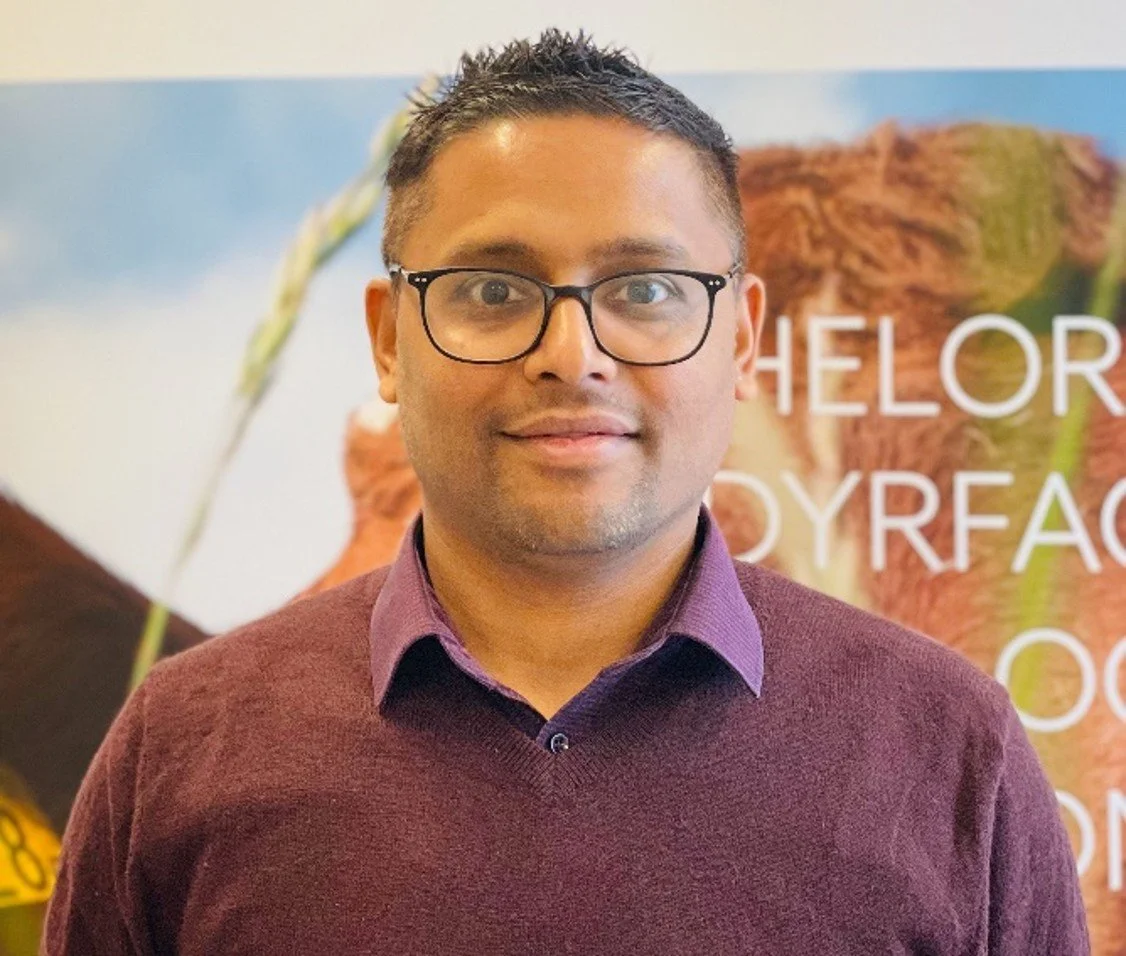
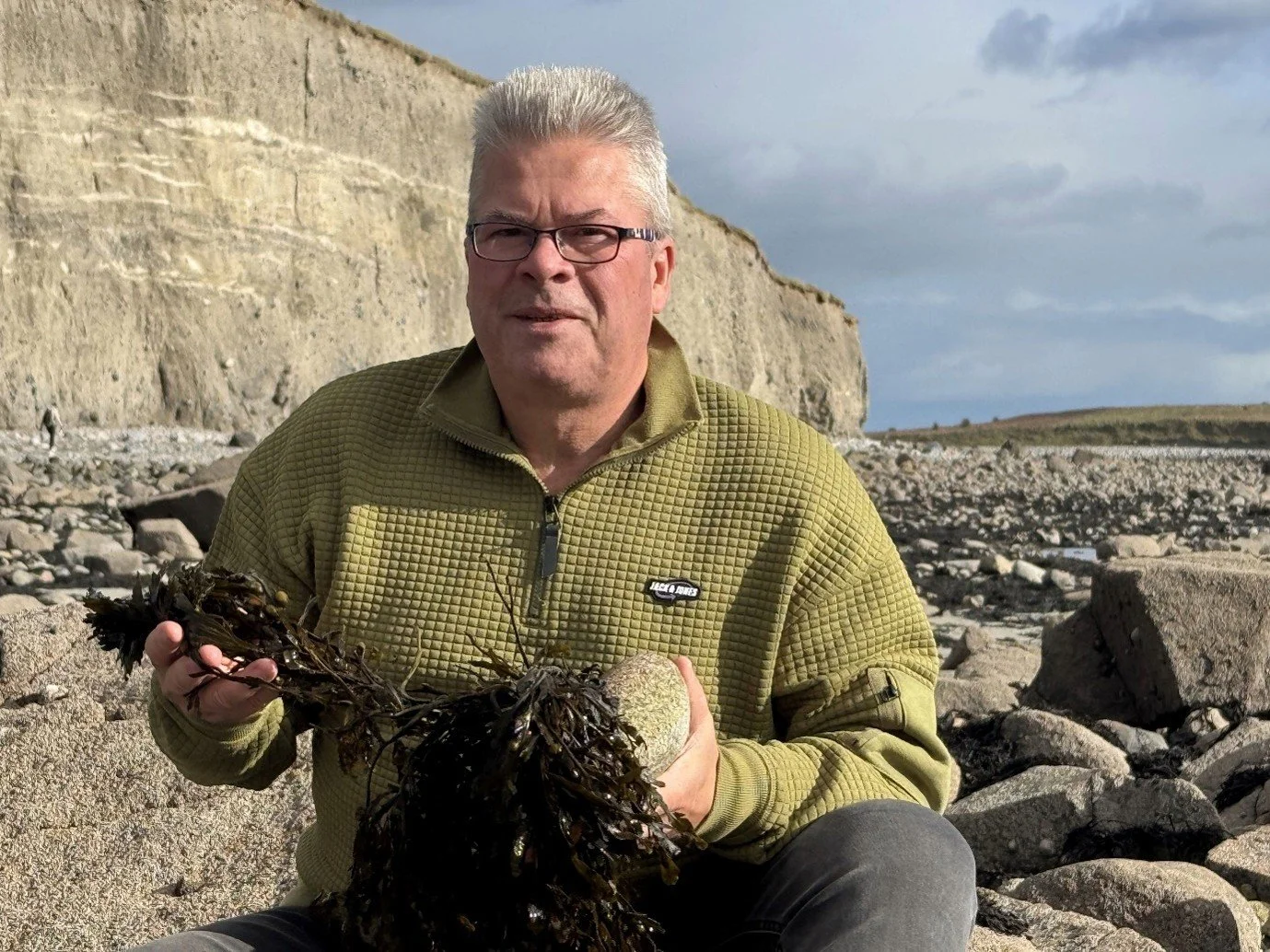
Photo: Prabhat Khanal.
Partners of the project
-
Dr. Monique T. Mulder, Erasmus University Medical Center, The Netherlands
-
Dr. Kirsten Berk, Erasmus University Medical Center, The Netherlands
Pinar Coşkun, The Food Lab, Erasmus University, The Netherlands
Dr. Prabhat Khanal, NORD University, Norway
Prof. Matteo Francavilla, University of Foggia, Italy
Dr. Stefan Kraan, Oceana Organic Products Ltd, Ireland
Dr. Julian Jehle, Bonn Uni, Germany
Mr. Christiaan Kalk, Life science-based Innovation, The Netherlands
-
Nederlandse Organisatie voor Wetenschappelijk Onderzoek (NWO), Erasmus University Medical Center, The Netherlands
Federal Ministry of Food and Agriculture (BMEL), University Hospital Bonn Heart Center, Germany
Italian Ministry of University and Research, University of Foggia, Italy
-