

Speedy Ferm Hub
Knowledge HUB for SPEEDY characterisation, optimisation and scale-up of FERMented, plant-based new foods
Introduction
SpeedyFermHub accelerates creation of tasty plant-based foods using fermentation. It will develop three prototypes - non-dairy cheese, sausage and meat analogue - by fast-tracking plant and microbe selections across Europe. Iterative screening, optimization, prototyping and testing cut resource use and improve products while easing reliance on meat and dairy.



fermentation; plant-based proteins; sustainable food; consumer acceptance; rapid screening; bioresource library; digital twin; microbial diversity; scale-up; future foods.
2026-2029
TRL: 3-7
Background
European diets still lean heavily on meat and dairy, and this puts pressure on climate, water and land resources. Plant-based options exist but account for a tiny share of the market and often fail to meet consumer expectations. Rapid fermentation can improve aroma, texture and nutritional value. However, there is a lack of strategies for quickly bringing plant-based ingredients to market using safe, environmentally friendly fermentation.
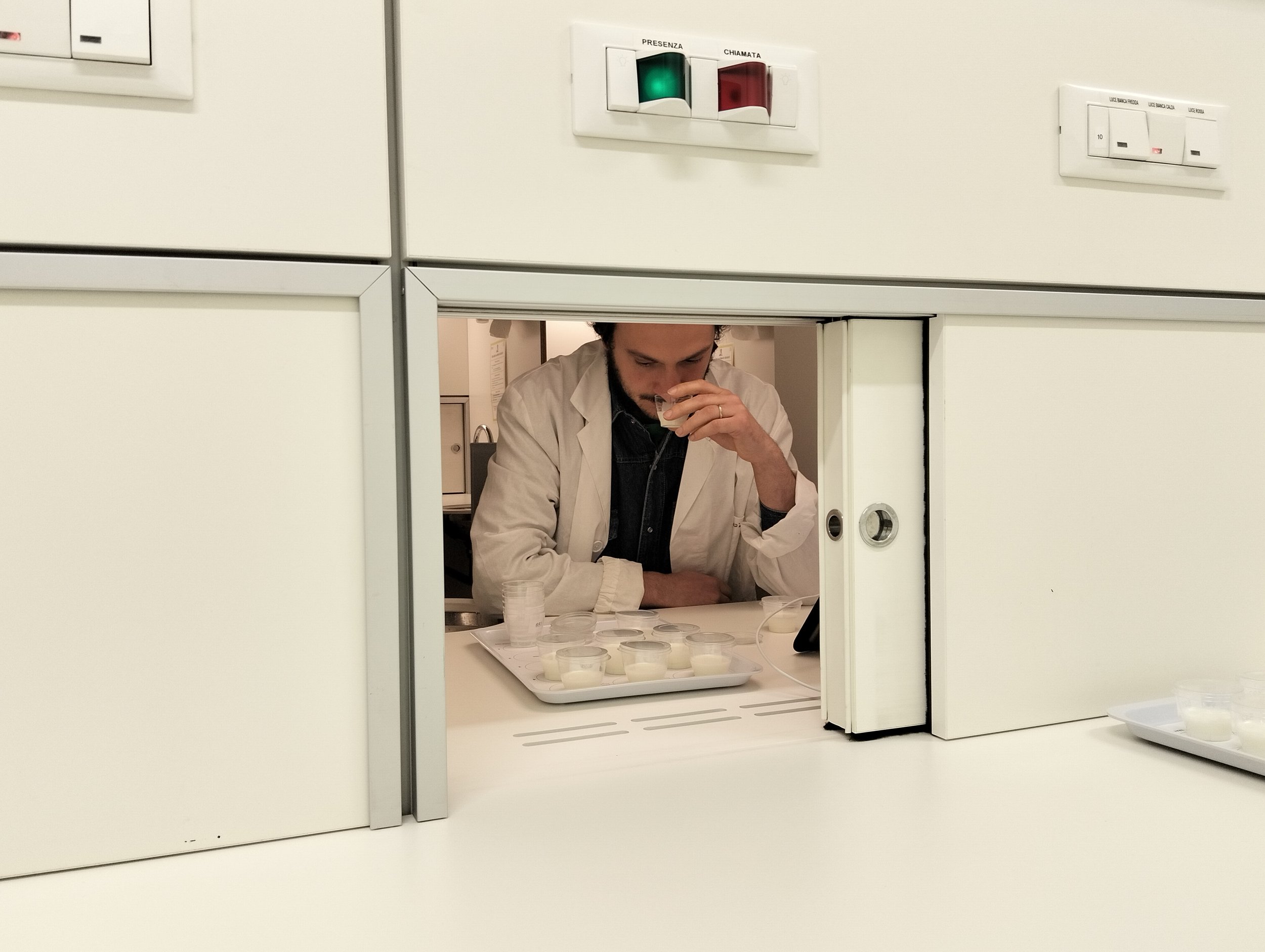
Photo 1 – Michele Pedrotti performing ‘Speedy’ sensory profiling at FEM (photographer: Isabella Endrizzi)
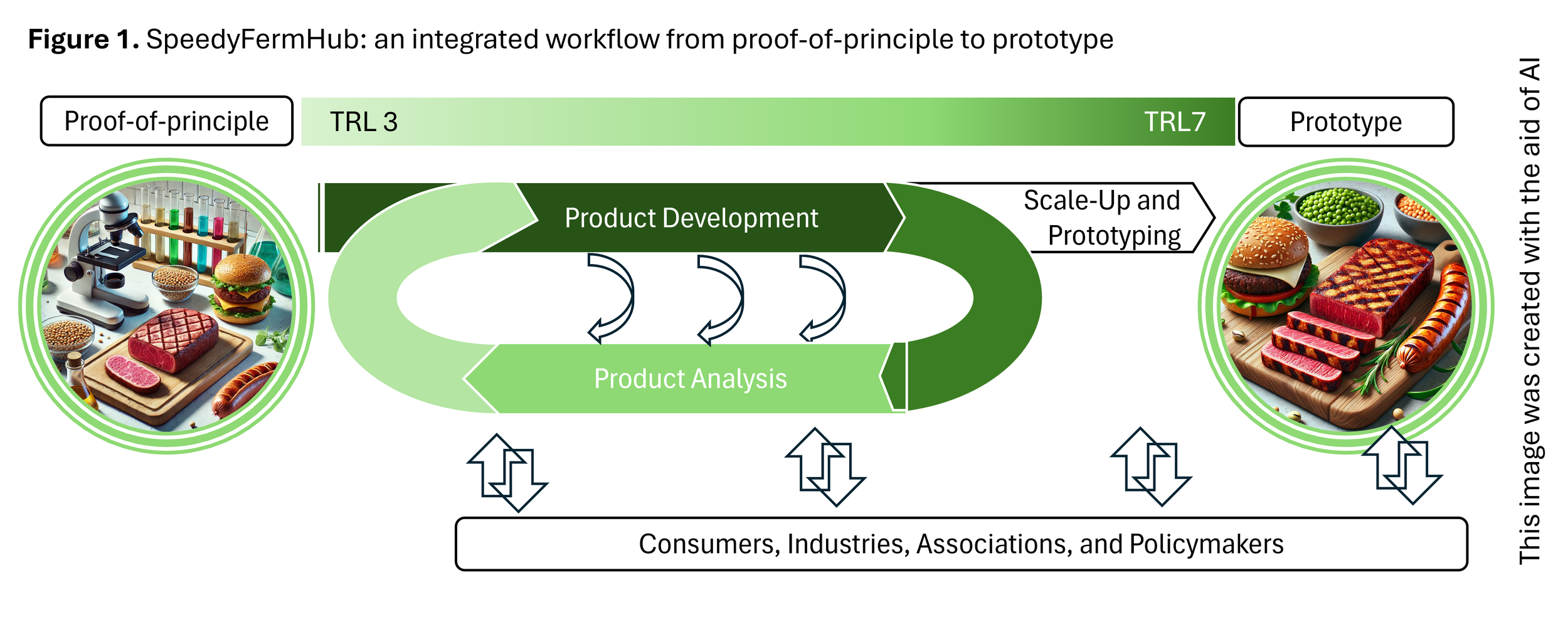
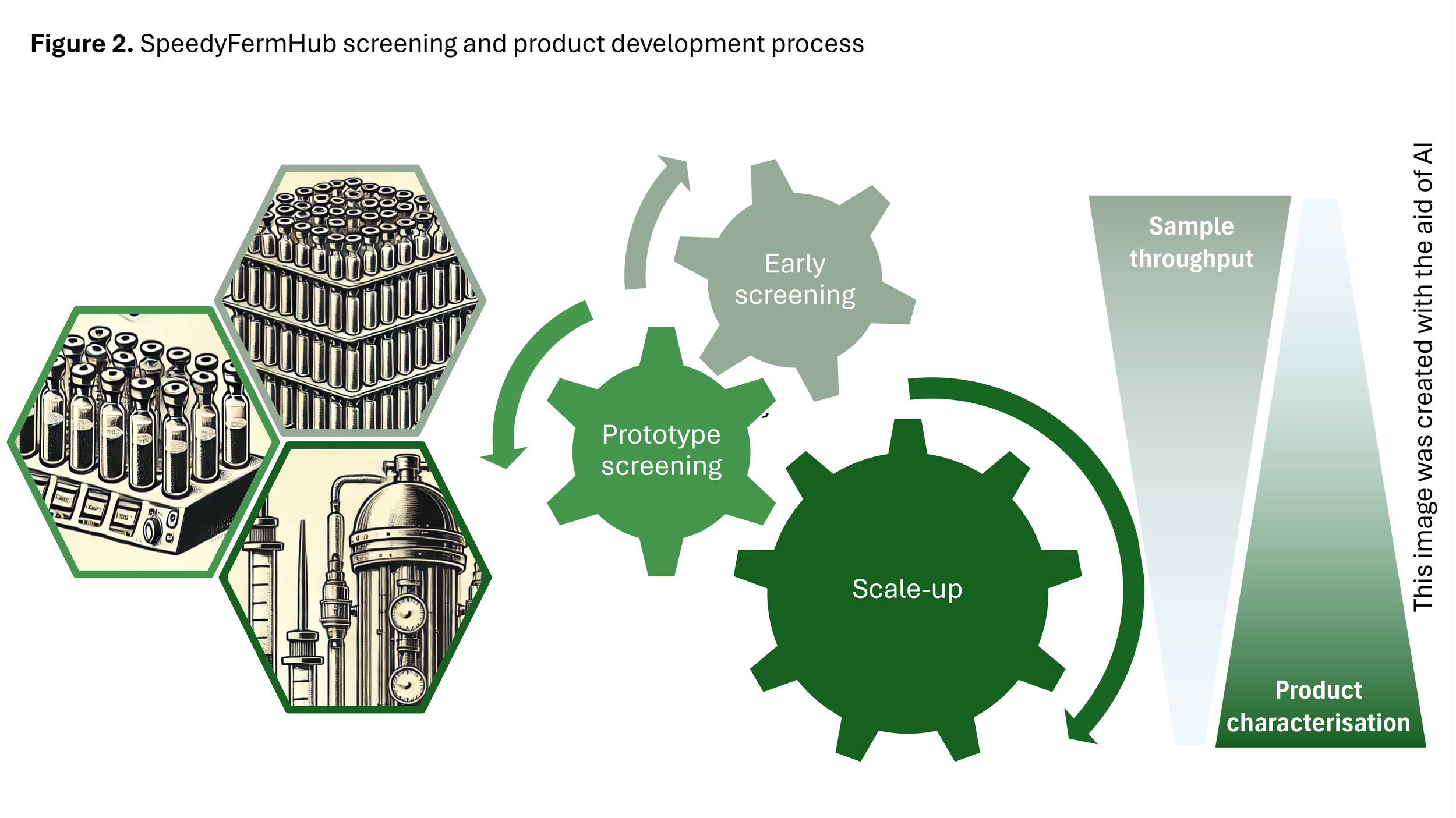
What we do
Build a fermentation resource library: including a wide range of plant ingredients and microbial strains from different regions.
Rapid screening and ‘omics: use high-throughput techniques to quickly identify promising plant–microbe combinations.
Technological and sensory characterisation: evaluate safety, nutrition, texture, aroma using fast sensory methods and classical analysis.
Prototype development and scale-up: iteratively refine recipes and produce three plant-based prototypes.
Consumer and market research: assess consumer acceptance in a transnational context.
AI-driven prediction tools: develop machine-learning ‘digital twins’ to predict fermentation outcomes and guide future product development.
Multi-actor collaboration: involve an Advisory Board of industry, academia and NGOs to guide product concepts and regulatory paths.
Open science and data management: create FAIR data workflows, a multi-omics repository and two open-source AI prediction tools.
Expected impact on food system transformation
SpeedyFermHub builds a library of ingredients and microbes and a rapid screening pipeline, enabling sustainable fermented food development. Pilot-scale prototypes that meet regulatory and consumer requirements encourage industry adoption. Engaging multiple actors builds awareness and policy support, fostering a resilient European food system and reducing reliance on intensive animal farming.
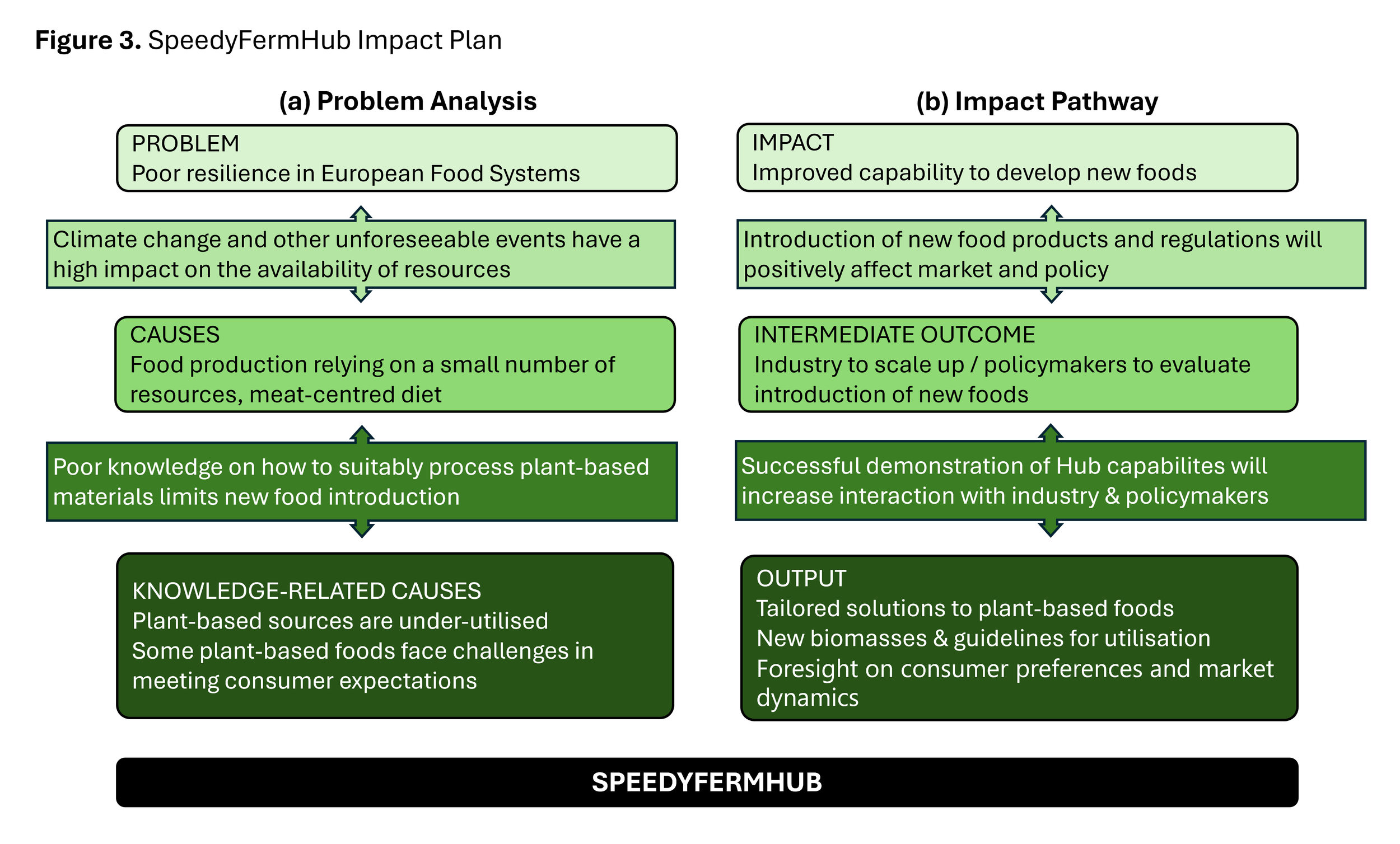
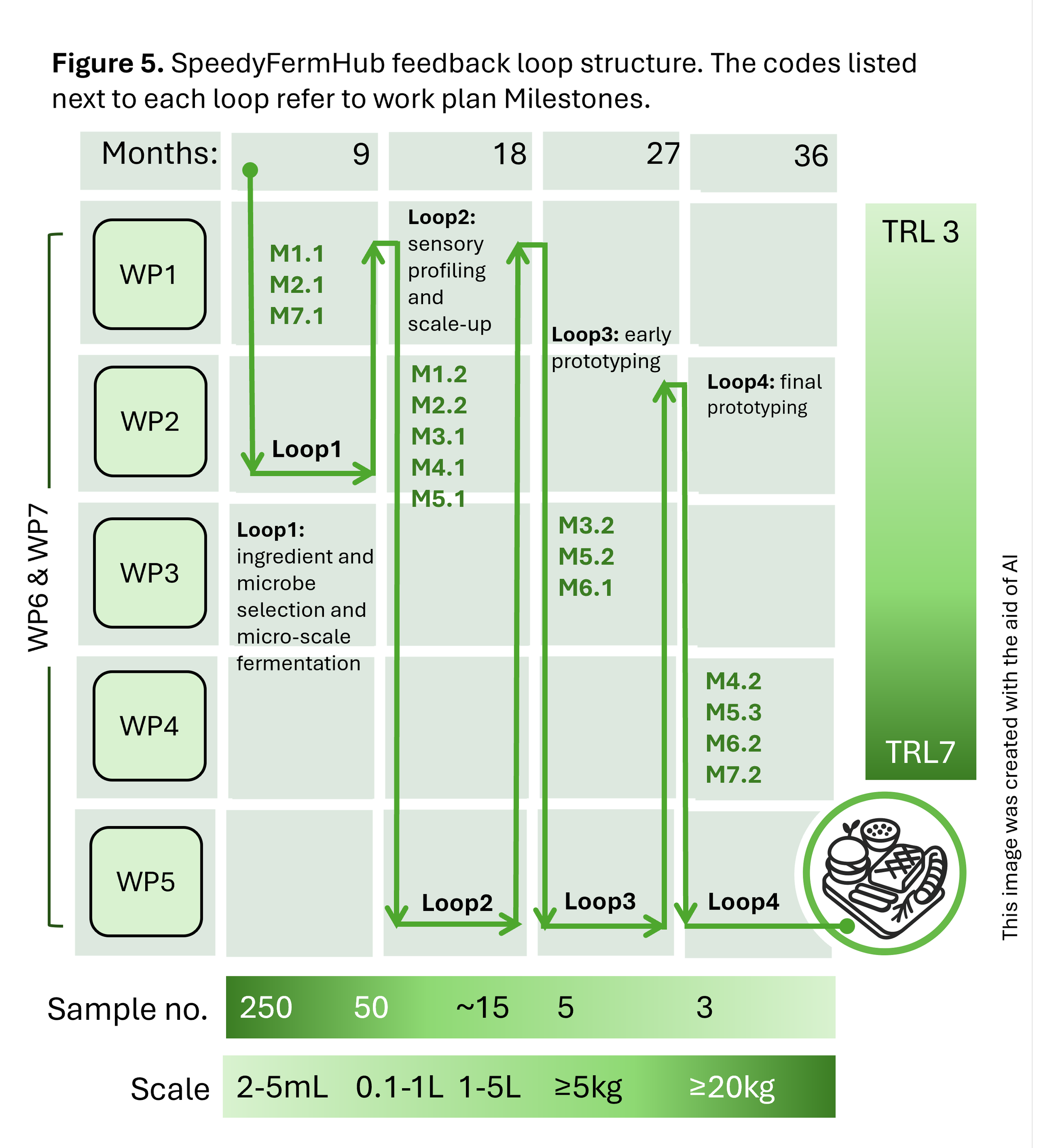
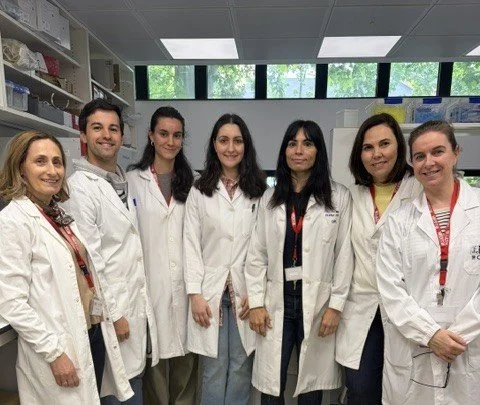
Photo 5 – ICTAN-CSIC team in the sample preparation lab (Photographer: M. Isabel López Román)
Implementation and plans to reach target groups
SpeedyFermHub builds a library of ingredients and microbes and a rapid screening pipeline, enabling sustainable fermented food development. Pilot-scale prototypes that meet regulatory and consumer requirements encourage industry adoption. Engaging multiple actors builds awareness and policy support, fostering a resilient European food system and reducing reliance on intensive animal farming.
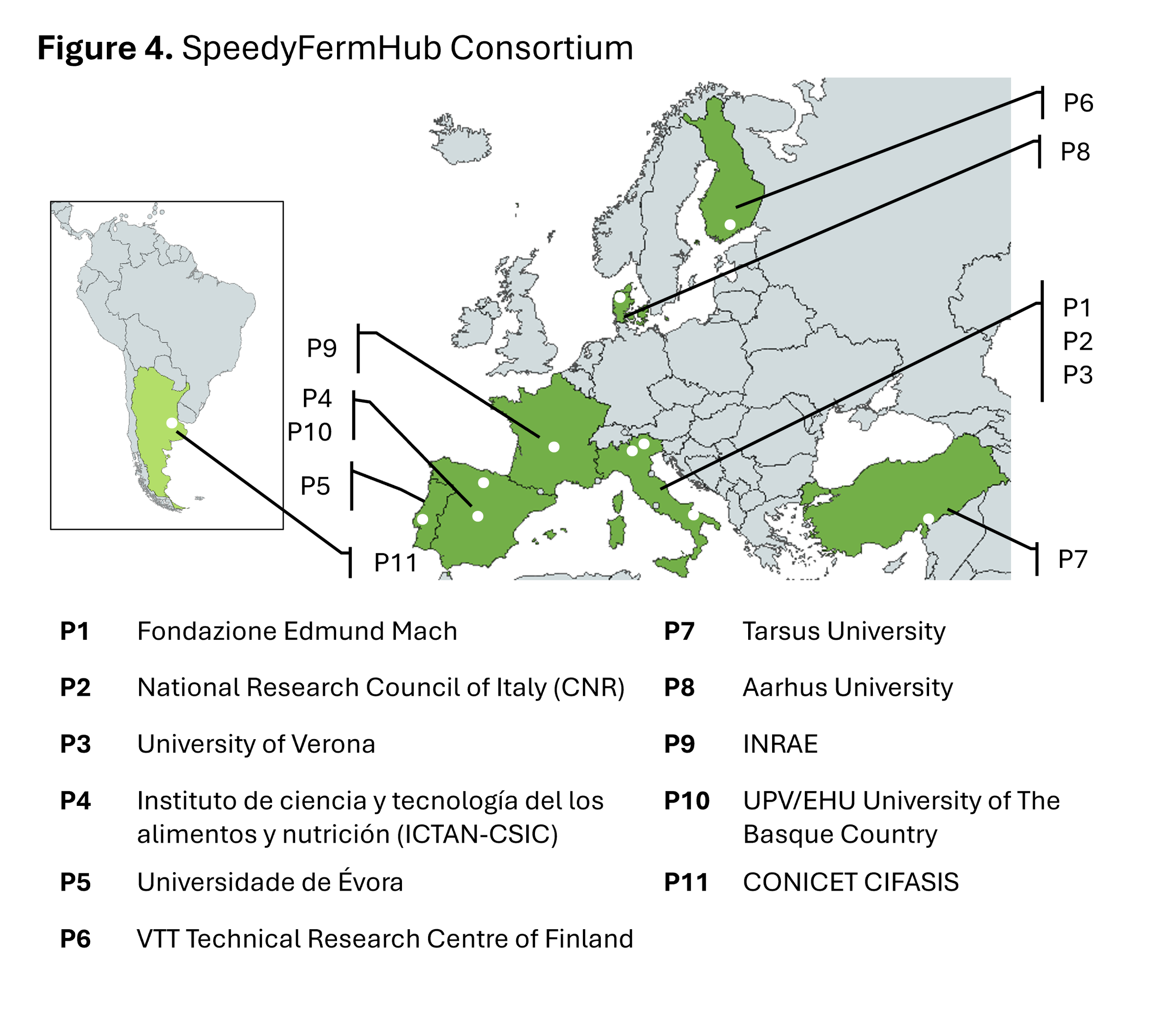
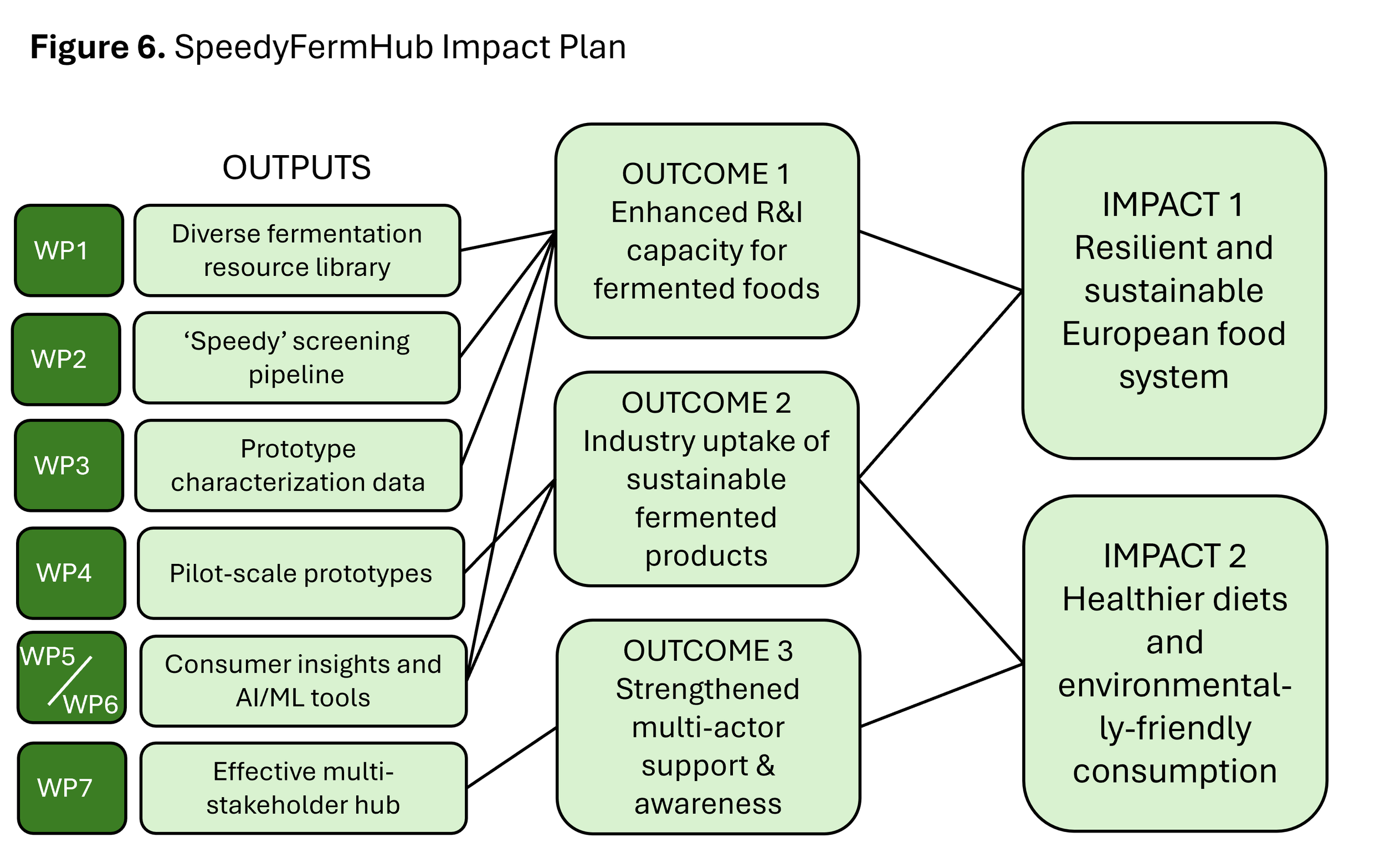
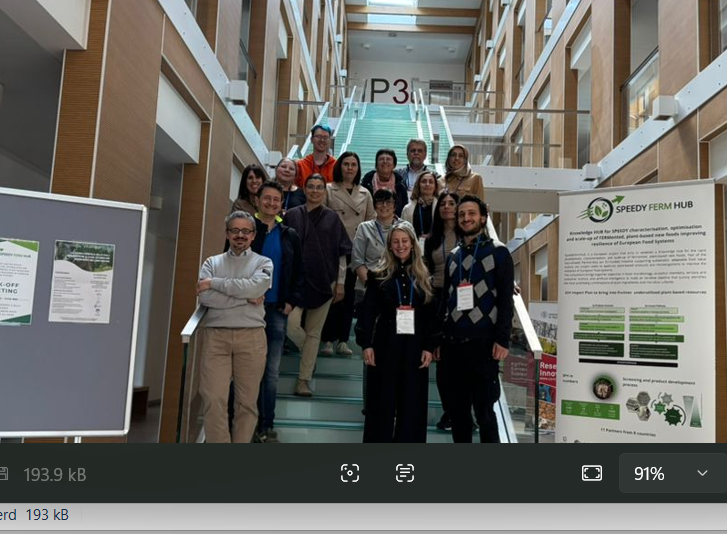
Photo 7 – SpeedyFermHub consortium during the project Kick-Off Meeting at FEM (Photographer: Fatemeh Izadfar)
Partners of the project
-
Franco Biasioli, Fondazione Edmund Mach, Italy,
Mail: franco.biasioli@fmach.it
-
Vittorio Capozzi, National Research Council of Italy (CNR), Italy
Elisa Salvetti, University of Verona, Italy
María Juana Frias Arevalillo, CSIC, Instituto de Ciencia y Tecnología de Alimentos y Nutrición (ICTAN), Spain
Marta Laranjo, Universidade de Évora, Portugal
Heikki Aisala, VTT Technical Research Centre of Finland, Finland
Gülden Göksen, Tarsus University, Türkiye
Marija Banovič, Aarhus University, Denmark
Céline Delbès, INRAE, France
Humberto Gonzalez Diaz, Universidad del País Vasco, Euskal Herriko Unibertsiatea (UPV/EHU), Spain
Pablo Granitto, CONICET, CIFASIS, Argentina
-
Serenella Puliga – Ministry of Agriculture, Food Sovereignty and Forestry (MASAF) – Italy
Aldo Covello – Ministry of University and Research (MUR) – Italy
Juan Climent Blasco – Spanish State Research Agency (AEI) – Spain
Mónica de Prado – ELIKA Fundazioa (Basque Foundation for Agro-food Safety) – Spain
Pedro Miguel Ferreira – Fundação para a Ciência e a Tecnologia (FCT) – Portugal
Suvi Ryynänen – Ministry of Agriculture and Forestry (MMM) – Finland
Stine Holm – Innovation Fund Denmark (INNOFOND) – Denmark
Raphaël Monod – French National Research Agency (ANR) – France
H. Burak Tiftik – Scientific and Technological Research Council of Türkiye (TÜBİTAK) – Türkiye
-
Website: www.speedyfermhub.eu