

TIPRO
Tipping the Protein Transition
Introduction
Across Europe, the consumption of meat and other animal-based foods remains far above sustainable levels, placing a significant burden on our climate, environment, and public health. Although a shift towards more plant-based diets — often referred to as the protein transition — is already underway, progress remains too slow and fragmented to address these urgent challenges effectively.
TIPRO aims to accelerate this transition by identifying and testing the most effective leverage points for change. The project focuses on three interconnected areas: consumer food choices, the practices of supermarkets and other food retailers, and the policy frameworks that shape food environments. By bringing these dimensions together, TIPRO seeks to uncover how systemic change can be achieved at scale.
The project will be carried out in Belgium (Flanders), Denmark, and the Netherlands — three countries with similar dietary patterns but distinct policy contexts. Through comparative research and real-world testing, TIPRO will develop evidence-based strategies to help create a tipping point towards healthier, more sustainable, and more plant-based diets across Europe.



Protein transition; tipping points; food environment; consumer behaviour; food policy; distribution; sustainable diets
2026-2029
TRL: 3-5
Background
Despite growing awareness of the need to eat less meat and more plant-based foods, the protein transition remains too slow. Three major barriers block progress:
At the consumer level, food environments are still heavily skewed towards animal-based products through pricing, product placement, advertising and convenience. Shifting food habits requires more than information campaigns — it demands changes in the physical and social spaces where people make food decisions every day.
At the distribution level, supermarkets, restaurants and caterers face real commercial tensions. Animal-based products dominate sales and revenues, and businesses struggle to see a competitive path towards plant-based alternatives — even when they recognise the long-term risks of current systems.
At the policy level, existing policy mixes including agricultural subsidies, trade rules and regulatory frameworks, continue to disproportionately support animal agriculture over alternative proteins. At the same time, political and institutional dynamics such as lobbying, institutional inertia and politicization constrain the translation of scientific evidence and sustainability objectives into policy actions.
Existing research has looked at each of these areas separately. What has been missing is an integrated approach that maps how consumer behaviour, distribution strategies and policy reforms can reinforce one another — and how combining them might trigger a genuine tipping point. TIPRO fills this gap.

What we do
Map the current state of protein consumption, distribution and policy across Belgium, Denmark and the Netherlands to establish a shared baseline
Codesign a shared 2050 vision for desirable protein futures with stakeholders from across the food system
Analyse what it takes for consumers to shift their protein habits, using behaviour change science to identify effective strategies for different consumer groups
Design and test disruptive interventions in real retail environments — going beyond small nudges to explore what it takes to genuinely shift purchasing behaviour
Investigate whether dietary changes in one context (e.g. at work) spill over positively or negatively into other contexts (e.g. at home)
Develop competitive, future-proof business strategies for supermarkets, restaurants and caterers that make the protein transition profitable — not just responsible
Identify coherent, multi-level policy mixes that work across local, national and EU levels, and explore how to overcome political barriers to reform
Integrate all findings into a whole-system perspective, identifying how actions across consumer, distribution and policy domains can work together to trigger tipping points
Expected impact on food system transformation
TIPRO aims to accelerate the protein transition by creating change across the entire food system. Rather than focusing on individual actions in isolation, the project brings together consumer behaviour, food retail practices, and policy development to create the conditions for a broader systemic shift towards plant-based diets.
For consumers, TIPRO will generate insights into how plant-based eating can become easier, more attractive, and more accessible for mainstream audiences. For retailers and food service providers, the project will identify evidence-based strategies that position plant-based products as a viable and profitable business opportunity. For policymakers, TIPRO will support the development of coherent policy approaches across health, agriculture, environment, and trade, while also exploring governance reforms that can help overcome barriers to change.
By aligning actions across these different levels, TIPRO seeks to contribute to a tipping point in European protein consumption—one where plant-based foods are widely available, affordable, appealing, and supported by both policy and business environments.
Implementation and plans to reach target groups
Stakeholder engagement is at the heart of TIPRO. The project works closely with consumers, businesses, policymakers, civil society organisations, and researchers to ensure that its findings are relevant, practical, and actionable.
Through workshops, interviews, experiments, and regular exchange activities, stakeholders are actively involved in shaping the research and testing potential solutions. This collaborative approach is supported by three associated civil society partners — ProVeg Belgium, Transitiecoalitie Voedsel (the Netherlands), and the Danish Vegetarian Society — which bring extensive networks and expertise in food system transformation.
As the project progresses, insights from the different research streams are continuously shared and integrated, helping to build coherent strategies across consumer behaviour, food distribution, and policy. These strategies will be validated with a broader range of food system actors, including farmers, retailers, food service providers, investors, and policymakers.
TIPRO will share its findings through policy briefs, stakeholder events, an interactive project dashboard, an open-access repository, and a range of communication channels, including its website, LinkedIn page, and biannual newsletter. By tailoring outputs to different audiences, the project aims to support informed decision-making and accelerate the transition towards more plant-based diets across Europe.
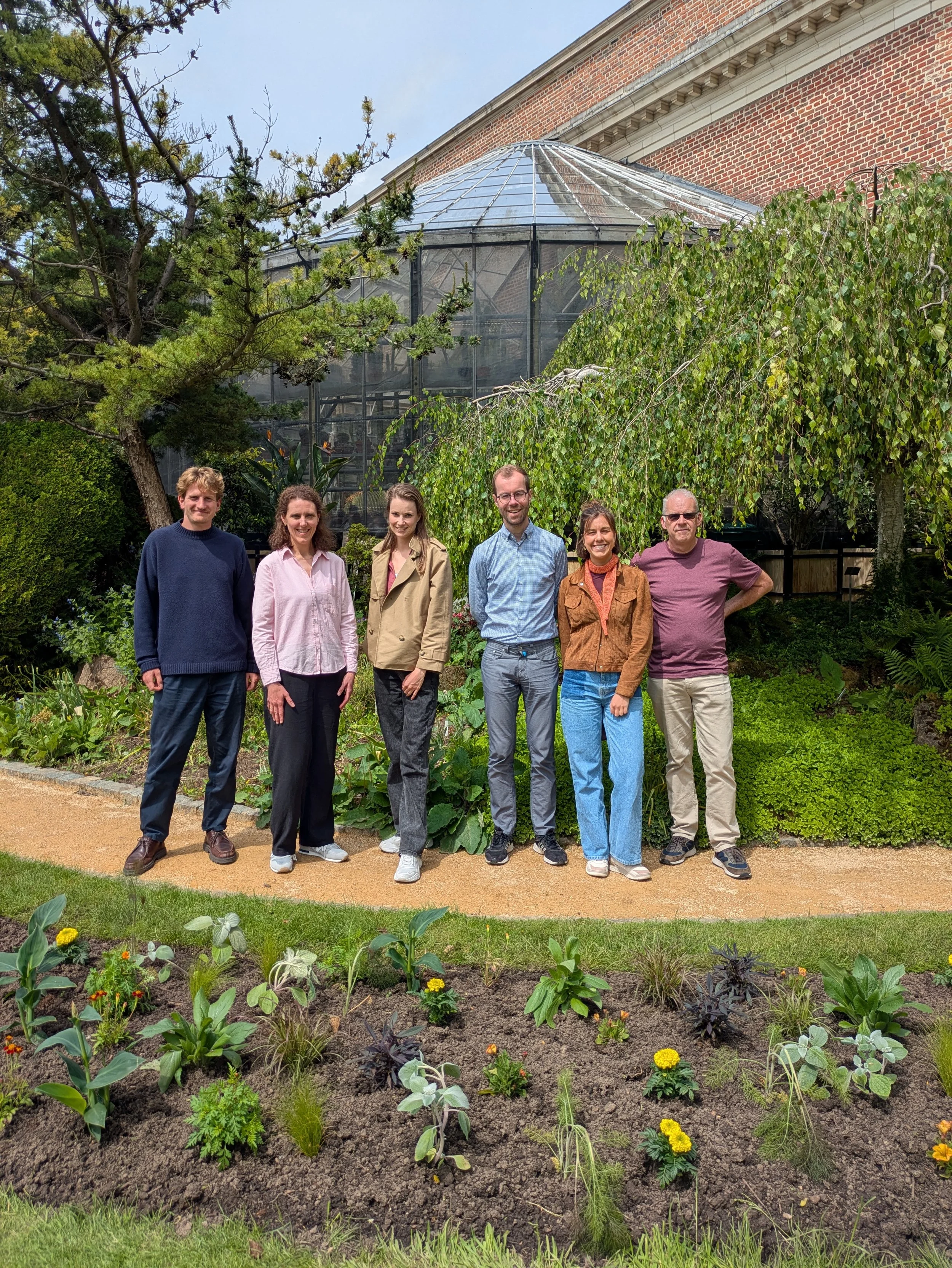

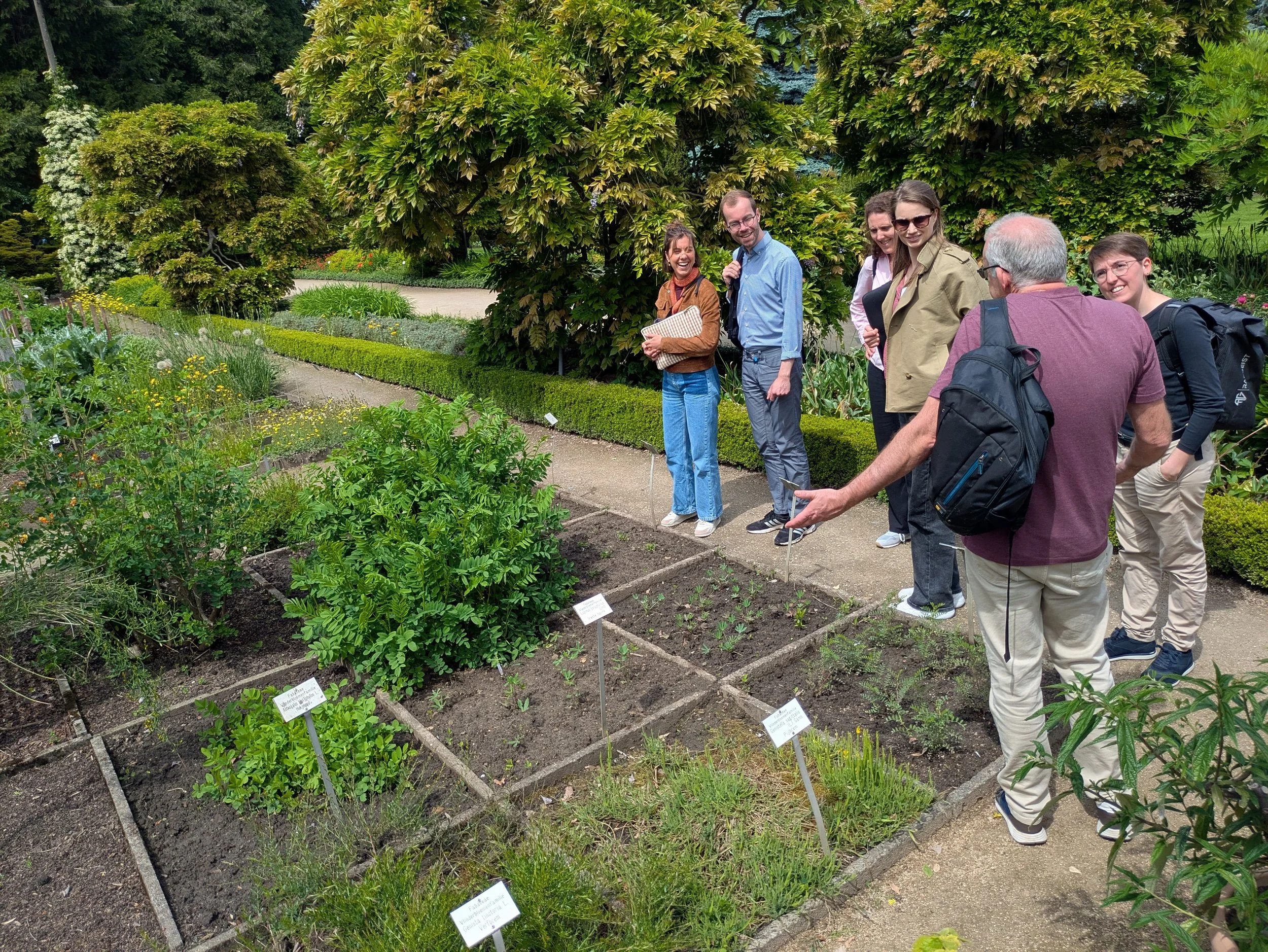
Partners of the project
-
Prof. Dr. Erik Mathijs, KU Leuven, Belgium — erik.mathijs@kuleuven.be
-
Dr. Jeroen Candel, Wageningen University (Public Administration and Policy Group), Netherlands
Prof. Dr. Meike Janssen, Copenhagen Business School (Dept. of Management, Society and Communication), Denmark
Thomas Eriksen, Plantebranchen, Denmark (associated)
Katrine Ejlerskov, Danish Vegetarian Society, Denmark (associated)
Natascha Kooiman, Transitiecoalitie Voedsel, Netherlands (associated)
Dr. Vincent Smets, ProVeg vzw, Belgium (associated)
-
FWO – Research Foundation Flanders, Belgium
NWO – Dutch Research Council, Netherlands
FutureFoodS Partnership (co-funded by the European Union)